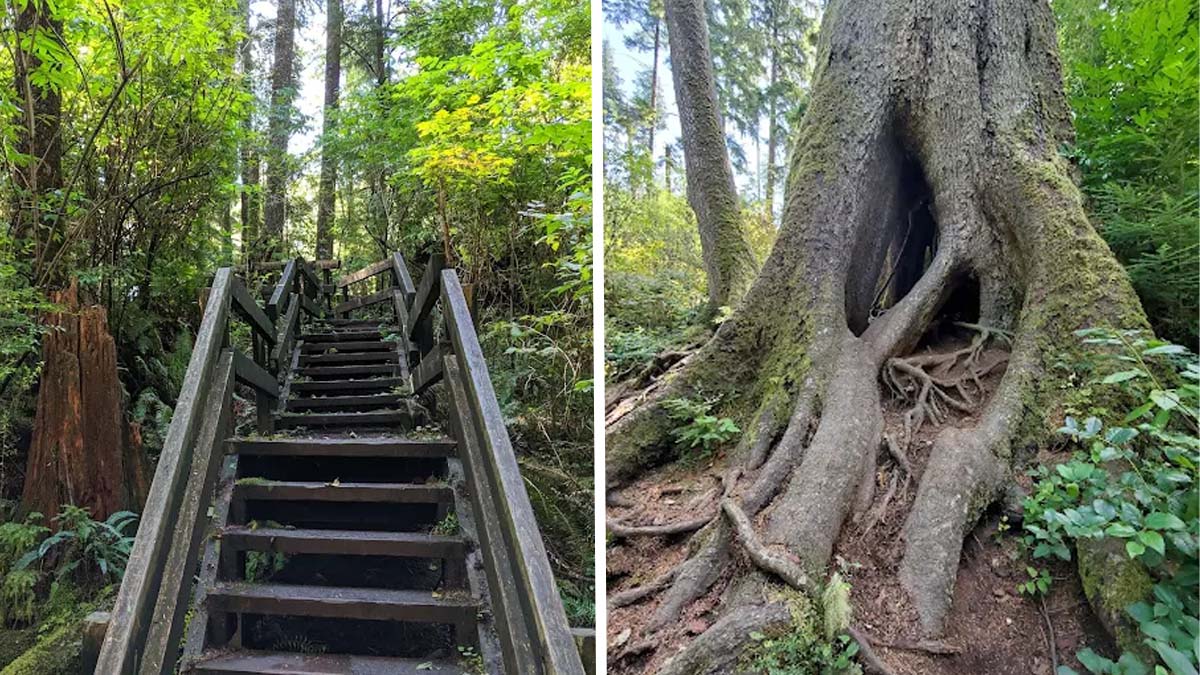
Updated August 2026: Astoria’s Richard Fencsak Cathedral Tree Trail is 0.9 mile one way between the 2800 block of Irving Avenue and the Astoria Column, making the basic out-and-back about 1.8 miles. It is a pedestrian-only, soft-surface forest path with elevation changes, stairs, roots and seasonal mud—not a one-mile round trip or a fully accessible walking path.
The city provides only a couple of legal spaces at the Irving Avenue pullout; the Astoria Column lot offers more parking but currently charges a fee. This guide explains both approaches and connects to our Oregon hiking guide and Oregon Coast guide.
Discovering The Cathedral Tree Trail
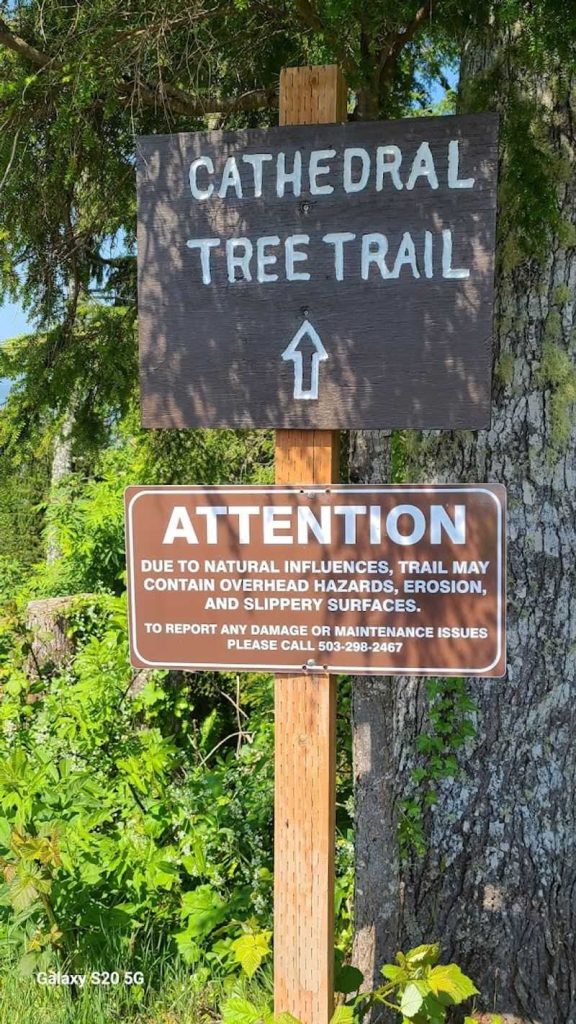
The trail begins off Irving Street in Astoria and immediately pulls you into that classic Oregon Coast forest.
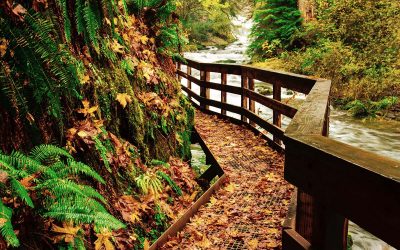
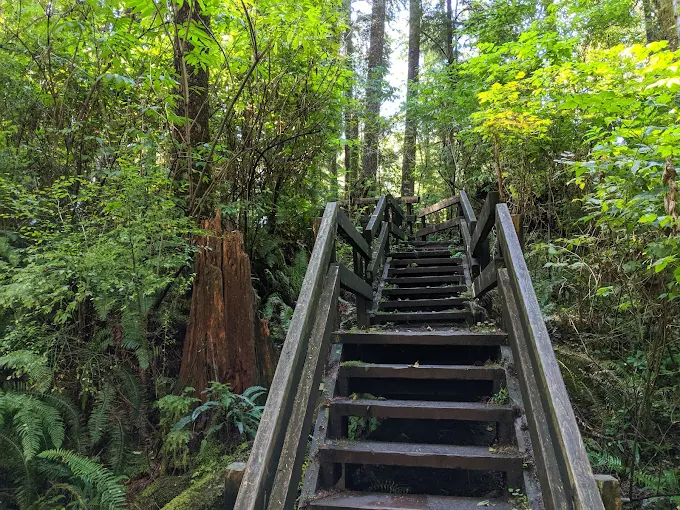
Towering evergreens, thick moss, and a soft, shaded canopy make the entire hike feel calm and a little bit magical. The path starts out fairly wide and graveled, but as you climb, it transitions into a more natural trail with exposed roots and uneven footing.
The incline is steady, but manageable for most people.
Locals love this trail, and visitors who stumble across it quickly realize why. It’s not just about the hike itself — it’s about what’s waiting at the end.
The Cathedral Tree: A 300-Year-Old Giant
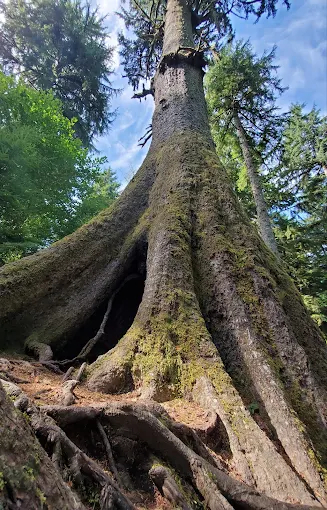
The Cathedral Tree is the reason people make the trip, and it absolutely lives up to the hype.
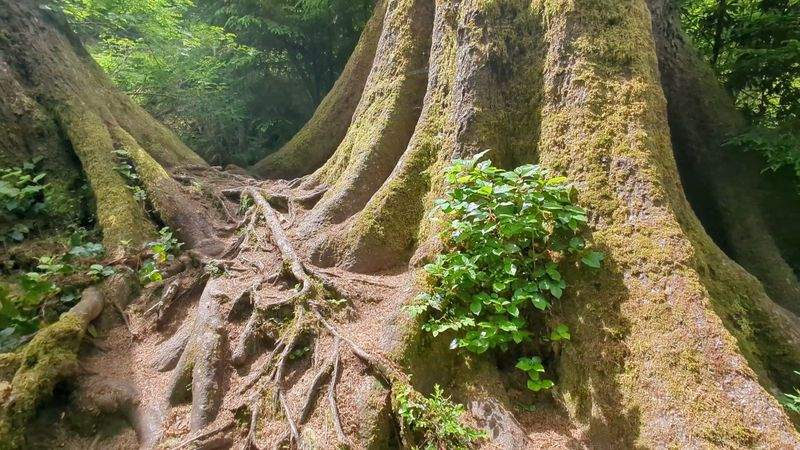
City historical materials describe the massive Sitka spruce as purported to be more than 300 years old. Its buttress-like roots formed after the tree sprouted from a nurse log that later rotted away, leaving the dramatic opening at the base.
Admire the opening from the established trail. Do not step inside, climb on the roots or compact the soil around the trunk; repeated foot traffic can damage the very tree visitors come to see.
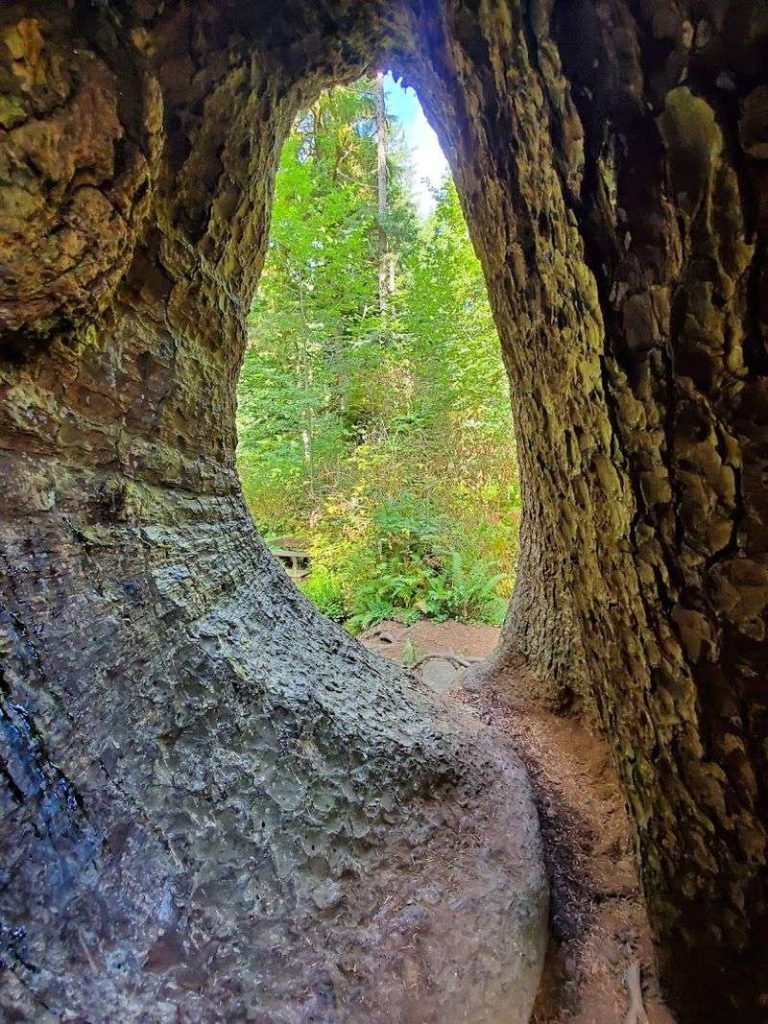
From the trail, look up through the opening and canopy while giving the trunk and exposed roots room.
It’s one of those rare spots where you naturally slow down without even thinking about it.
Trail Conditions And What To Expect
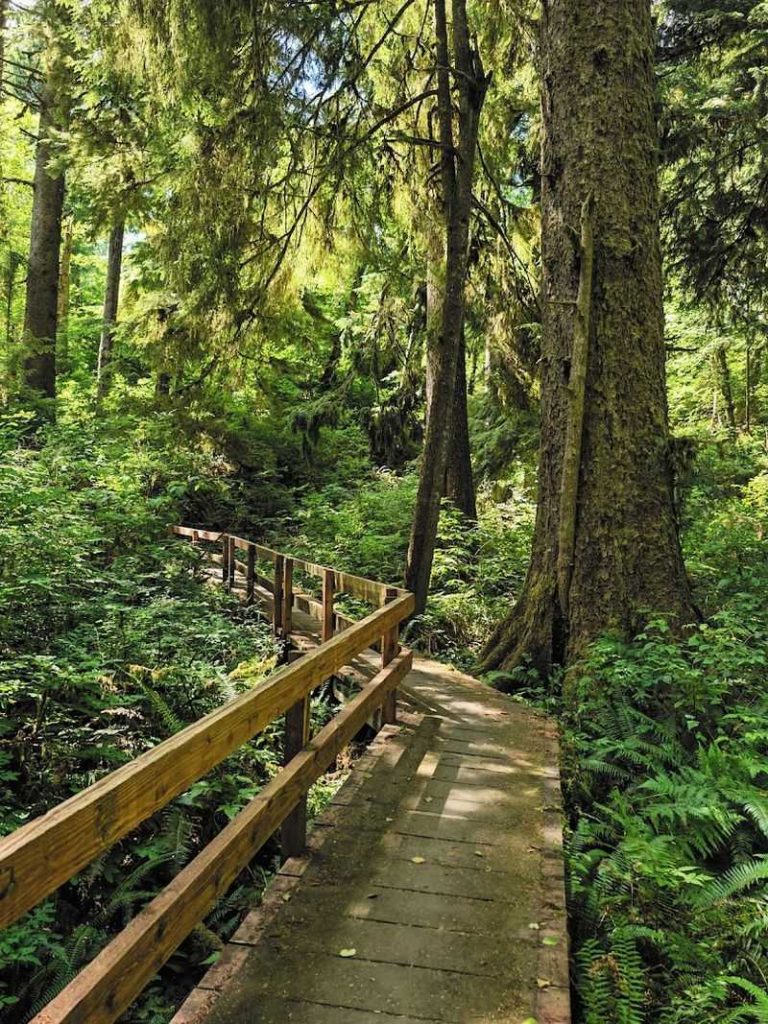
The Cathedral Tree Trail is considered easy to moderate, but conditions can change depending on the time of year.
During fall, winter, and early spring, the trail can get muddy and slick, especially with all the exposed roots. Good footwear makes a big difference here.
In the summer months, things tend to dry out, making the hike a bit easier and more straightforward.
Most people complete the hike in about 40 minutes to an hour round trip, depending on how long they spend at the tree.
Wildlife And Forest Scenery
This trail might be short, but there’s a lot to take in along the way.
Banana slugs are everywhere and seem completely unbothered by passing hikers. They’ve basically become part of the experience, especially for kids who love spotting them.
You may also see deer along the edges of the forest, and the constant sounds of birds overhead add to the peaceful atmosphere.
Ferns blanket the ground, moss covers nearly everything, and the entire forest feels alive in that way only Oregon forests can.
Connecting To The Astoria Column
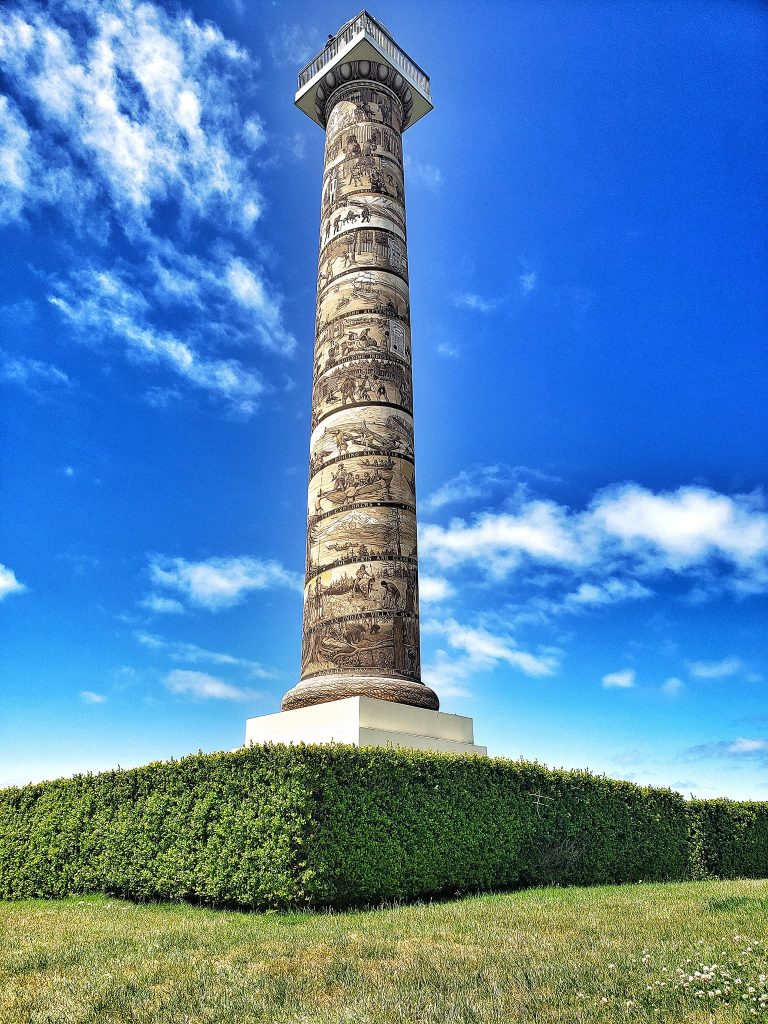
One of the best parts about Cathedral Tree Trail is that it doesn’t have to end at the tree.
The trail connects up to the Astoria Column at the top of Coxcomb Hill. If you continue on, you’ll be rewarded with one of the best views in the area.
From the top, you can see the Columbia River, the surrounding hills, and even out toward the Pacific Ocean on a clear day.
Some hikers actually start at the Astoria Column and work their way down to the tree instead, which is another great way to experience the trail.
Parking and choosing a trailhead
Irving Avenue: The lower gateway is in the 2800 block. The City of Astoria lists only a couple of pullout spaces. Park only where it is legal, keep driveways clear and use another access point if those spaces are occupied.
Astoria Column: The upper trailhead begins from the Column parking area. The City currently lists a parking fee, and facilities or hours can change. Check the official Astoria Column page.
Starting at Irving means climbing first and descending on the return. Starting at the Column reverses that effort. Download the official Cathedral Tree Trail information before leaving.
What To Bring On The Hike
Even though this is a short hike, a little preparation goes a long way.
Water is always a good idea, especially with the steady uphill climb. A light jacket is also recommended since coastal weather can shift quickly.
Footwear is the most important factor here. Shoes with good grip will make navigating the roots and muddy sections much easier.
And don’t forget your phone or camera. The Cathedral Tree is one of those spots you’ll definitely want to capture.
Why This Trail Is Worth It
Astoria is packed with things to do, from historic sites to great food and coastal views.
But Cathedral Tree Trail offers something different.
It’s quiet, grounding, and centered around something that’s been standing for centuries. There’s something about being next to a tree that old that puts everything else into perspective.
The hike is short enough to fit into any itinerary, but memorable enough to stand out as one of the highlights of your trip.
Pair it with a visit to the Astoria Column and a stop for coffee downtown, and you’ve got a perfect Oregon Coast morning.
Frequently Asked Questions About Cathedral Tree Trail
Q. When is the best time to visit Cathedral Tree Trail?
A. Early morning is the best time if you want a quieter experience. The forest is peaceful, and the soft light filtering through the trees makes the Cathedral Tree feel even more magical. Weekdays are also a great option to avoid crowds.
Q. Do I need a parking pass for Cathedral Tree Trail?
A. The trail itself is free. The Irving Avenue end has only a couple of legal pullout spaces; the Astoria Column lot currently charges a parking fee.
Q. How long does the hike take?
A. Allow roughly one to two hours for the 1.8-mile out-and-back, depending on mud, stairs, pace and time at the tree or Column.
Q. Is Cathedral Tree Trail dog-friendly?
A. Dog-waste dispensers are provided, but verify current leash rules with the City of Astoria and keep every dog controlled on the narrow trail.
Q. Is this hike good for kids?
A. Many families enjoy it, but the full out-and-back is 1.8 miles with elevation changes, roots, stairs and mud. Keep children on the trail and away from the tree’s exposed roots.
Q. How difficult is the hike?
A. Moderate is the safer planning rating. The city notes natural surfaces and elevation changes, and older planning documents identify grades above 20 percent in places.
Continue exploring with our Oregon hiking guide and trail map and our Oregon Coast guide.