Oregon is one of the best rockhounding states in the country. You can search for beach agates on the coast, carnelian in river gravels, obsidian at Glass Butte, thundereggs in central and southeast Oregon, and sunstone near Lakeview. This updated guide covers 10 well-known Oregon rockhounding areas, what you may find, an interactive map, and the collecting rules to check before you go.
I've been a rockhound since before I knew there was a word for it. As a child I saved pretty rocks in little boxes labeled with mineral names. Years later, while friends wanted to party or hike at Oregon beaches and creeks, I wanted to hunt for agates. Today, obsidian, quartz, thundereggs, and petrified wood from my trips around Oregon still fill my garden and home.
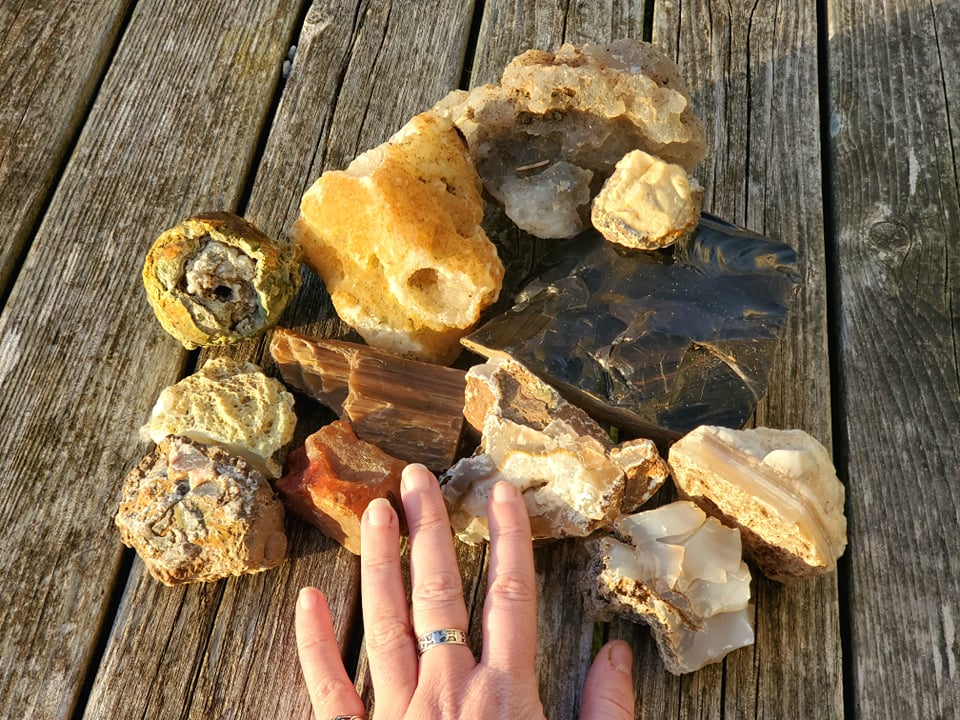
People who love rockhounding have various reasons for doing it. As humans, I think we're all naturally drawn to shiny objects to differing degrees. Some folks look at the monetary value of what they collect. Others are jewelers and craftspeople. Brainy-types get hooked on the molecular composition of minerals. Some of us are just hoarders of beautiful objects.
Whatever your reason for collecting rocks and minerals, Oregon is a mecca of a playground for you. From the coast to all three inland borders, here is your beginner's guide to finding gorgeous rocks in our beautiful state.
Oregon Rockhounding at a Glance
- Glass Butte: Obsidian on BLM-managed land; verify current road and collecting conditions.
- Lakeview and the public sunstone area: Oregon sunstone, agate, jasper, and obsidian; active mining claims are off-limits.
- Owyhee and Succor Creek country: Picture jasper, agate, thundereggs, petrified wood, and fossils; land ownership is mixed, so confirm boundaries.
- Oregon Coast: Loose agates, jasper, chalcedony, and some fossils; collect only within current Ocean Shore rules.
- Ochoco-area public sites: Thundereggs, agate, chalcedony, and jasper; wilderness areas and posted closures prohibit collecting.
Access changes. Before every trip, verify the managing agency, current closures, private-property boundaries, mining claims, fire restrictions, road conditions, and posted collection limits. A location appearing on a map does not automatically mean collecting is legal there.
Know Your Rocks!
There are three main types of geological rocks:
- Igneous: Formed by magma deep in the earth. Volcanic activity pushes magma to the surface where it cools at varying rates, creating crystals (like Oregon Sunstone), volcanic glass (Obsidian), or Basalt (this plain, gray rock makes up much of the surface in our state, as well as our mountains and rocky outcroppings).
- Sedimentary: Sediment is a naturally occurring material that is broken down by the processes of weathering and erosion. Volcanic ash from centuries-old eruptions in Oregon is one example. Over time, these layers of sediment become compressed and fused together creating substances such as sandstone (very commonly found at the Oregon coast), limestone, and coal.
- Metamorphic: Here, the name says it all. These are rocks that underwent a fundamental change. They started life as either sedimentary or igneous, but their chemical structure was disrupted by things like high heat or extreme pressure. They became a different mineral altogether.
What Kinds of Things Do I Need to Bring on a Rockhounding Adventure in Oregon?
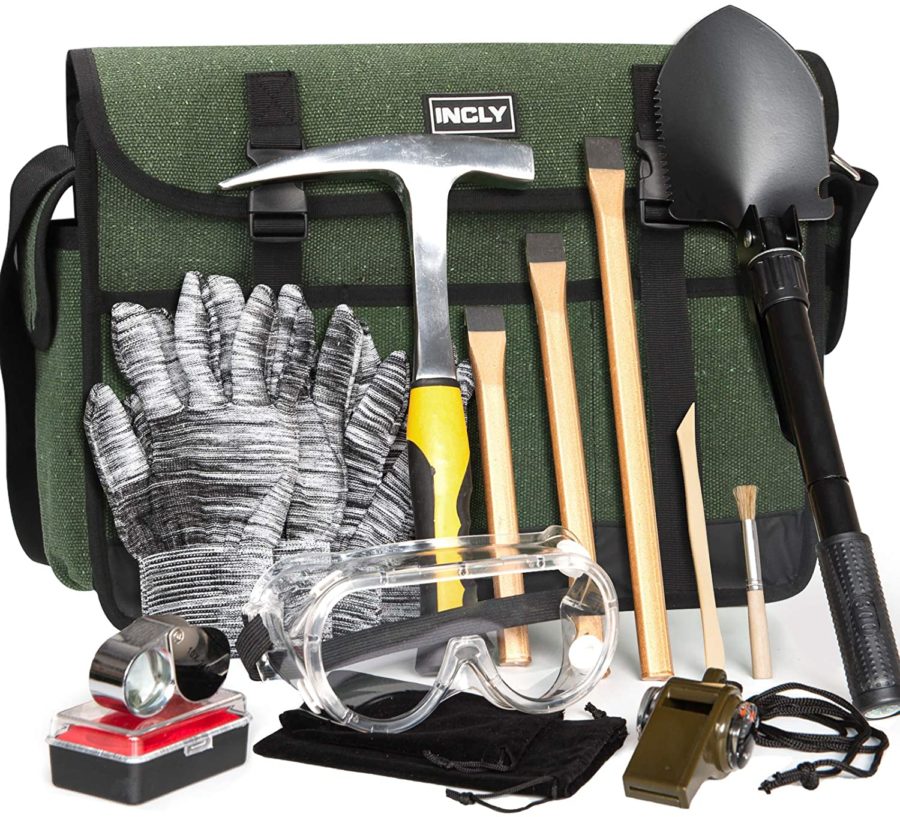
This completely depends on where you intend to go. For agate hunting on the Oregon coast, you may need nothing more than a bag or bucket for your finds. If you're hunting for Carnelian in rivers and streams, water shoes or waterproof boots may be a good idea. On dry land in forests and high desert, you may want other implements such as:
- A portable shovel
- Rock pick
- Rock hammer
- A screened sieve or colander
- Gloves
- Safety glasses
- Water (to clean off dirty finds)
- A wire brush (for scrubbing)
- Bucket
- Good shoes
- GPS unit
- BLM map
Oregon Rockhounding Rules: Know Before You Collect
Rules depend on who manages the land. Most BLM land is open to reasonable, non-commercial collection of common rocks and mineral specimens, but local restrictions, active mining claims, protected areas, and closures still apply. Larger quantities, commercial collection, power equipment, or explosives can require authorization. Review the BLM Oregon and Washington Rock Collecting Guide and contact the local field office when anything is unclear.
- Oregon beaches: State rules generally allow small quantities of loose agates, stones, shells, and similar non-living souvenirs for personal use. Unless an area is further restricted, the limit for loose agates and similar items is one gallon per person per day and three gallons per person per calendar year. Do not excavate cliffs or disturb protected resources. Check the Oregon State Parks FAQ before collecting.
- State and national parks: Do not assume collecting is allowed. Natural-resource removal is generally prohibited in Oregon state parks away from the ocean shore, and collecting is prohibited in places such as national parks and national monuments unless specifically authorized.
- Mining claims and private land: Get permission. A public road or a map pin does not give permission to collect from the land beside it.
- Artifacts and protected fossils: Never remove archaeological or historical material. Vertebrate fossils and other protected specimens on federal land may not be collected without authorization.
- Leave No Trace: Use hand tools only where allowed, refill permitted holes, pack out trash, avoid damaging vegetation, and leave a site safer than you found it.
For a statewide overview of Oregon sunstone, thundereggs, obsidian, agate, jasper, and official contacts, see the Oregon Department of Geology and Mineral Industries guide.
Related: Where to find Sunstones in Oregon for free
Best Rockhounding Sites in Oregon
One thing to keep in mind is that cool rocks are EVERYWHERE. I've personally found awesome specimens of jasper and quartz just by pulling over at roadcuts to sift through the rubble, but it's a known fact that certain areas of Oregon are better for finding specific types of beautiful rocks.
Garrett Romaine's book Gem Trails of Oregon was an early rockhounding bible for me, and I highly recommend it to anyone wanting to start searching for their own minerals and gems in Oregon. Much of this information was compiled from there, as well as Mike Rhea's awesome resource site.
10 Best Oregon Rockhounding Locations
Professional rockhounds have their sites that we will never know about. One guy on a Facebook rockhounding group I follow regularly finds gorgeous amethyst crystals in the hills somewhere around Tillamook, but he'll never give up the location. And I totally understand and respect this mentality. It just goes to illustrate how rocks can be found anywhere if you know where to look.
Don't forget to read to the bottom of this article for an interactive map of all the rockhounding sites mentioned in this article.
1. The Owyhee Canyonlands
County: Malheur
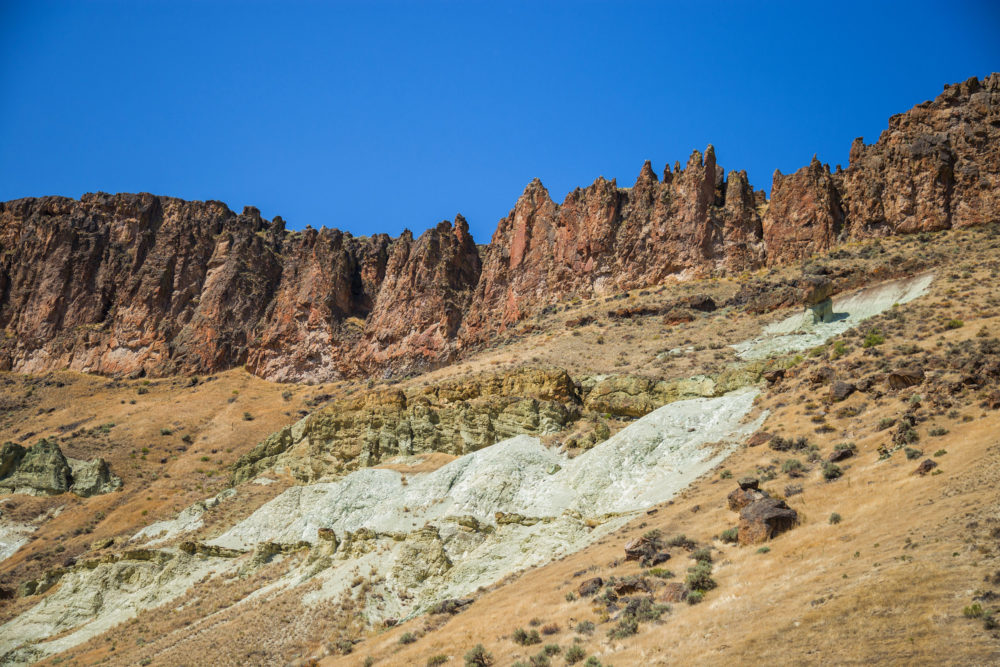
This diverse and extraordinary corner of SE Oregon makes up an area nearly as large as Yellowstone. Flat desert spreads out into giant rocky crags and flowing streams, deep and mountainous. It's truly a place to get lost in nature. Juniper Gulch and Succor Creek Canyon are two of my favorite rockhounding sites here.
- Rocks to Find in the Owyhees: Picture jasper, thundereggs, quartz, agate, petrified wood, fossils.
2. Priday Agate Beds
County: Jefferson
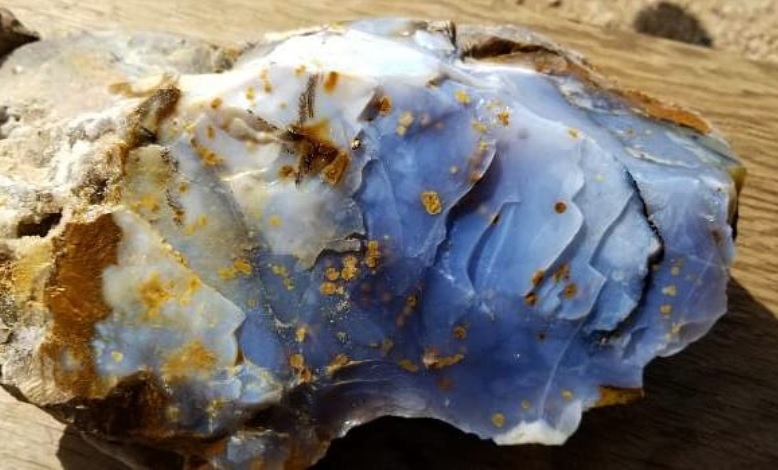
Richardson's Rock Ranch was once a favorite public thunderegg dig, but its digging area is no longer open to the public. The ranch shop and separate fee-dig operations in the region may have different hours and rules. Do not assume that the historic Priday beds are open: check directly with the current operator before making the drive. Public sites elsewhere in central Oregon can also change because of closures, claims, and land-management rules.
- Rocks to Find at the Priday Agate Beds: Polka dot agate, plume agate, thunder eggs.
3. Glass Butte
County: Lake
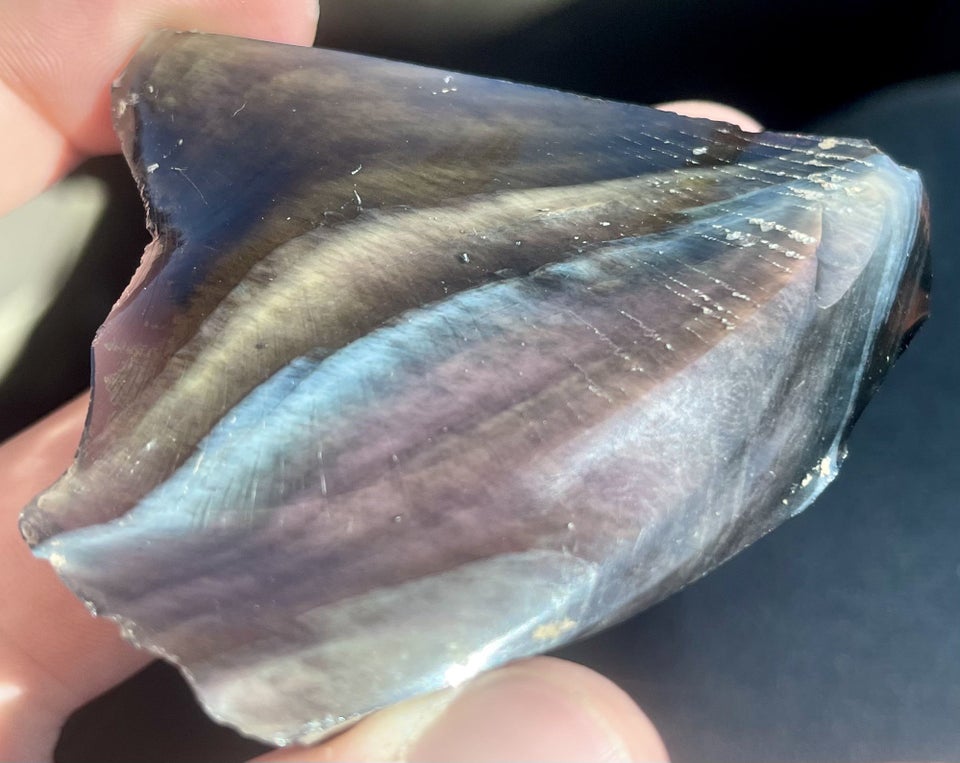
Glass Butte is a BLM-managed rockhounding area known for many varieties of obsidian, including black, rainbow, mahogany, gold-sheen, and double-flow material. Roads can be rough and remote, and conditions change with weather, so check current guidance with the BLM Prineville District before traveling or collecting.
4. The Nehalem River
County: Columbia
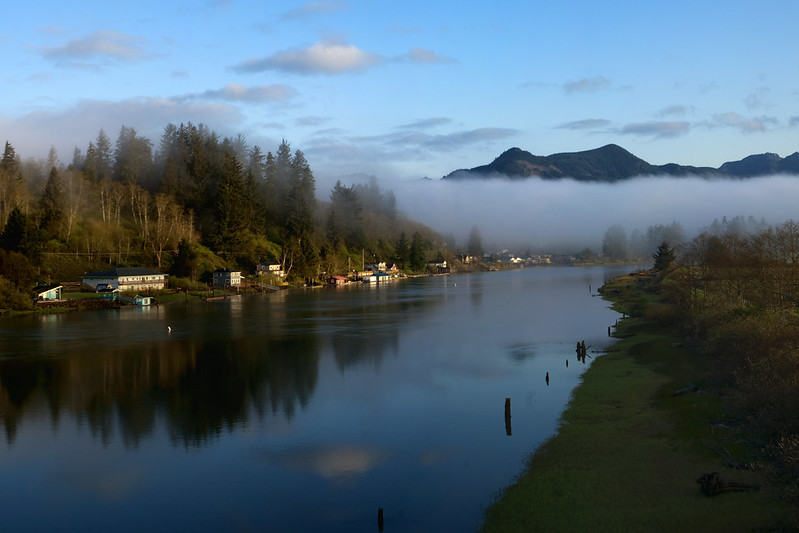
The Nehalem River is one of the best places to find beautiful carnelian agate, which ranges in color from yellow to orange and deep red. Search in public areas along and in the river near Timber Road and the Banks-Vernonia State Trail. As always, please be aware of private property.
- Rocks to Find on the Nehalem River: Carnelian agate, plume agate, jasper.
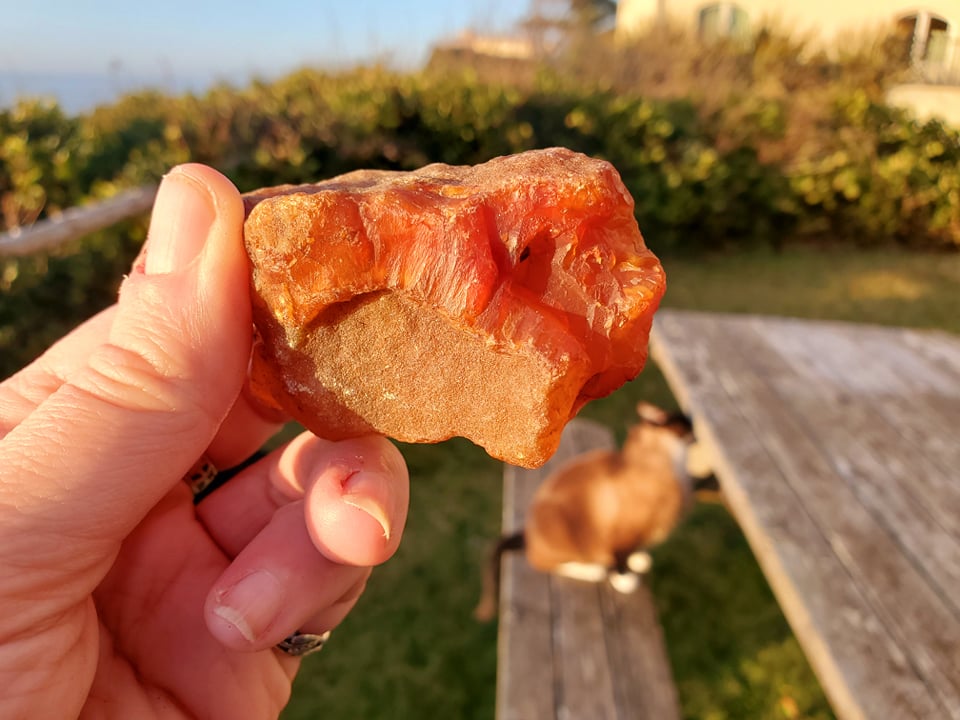
5. Lakeview Area
County: Lake
Lakeview is the county seat of Lake County, Oregon, and rockhounding opportunities abound here.
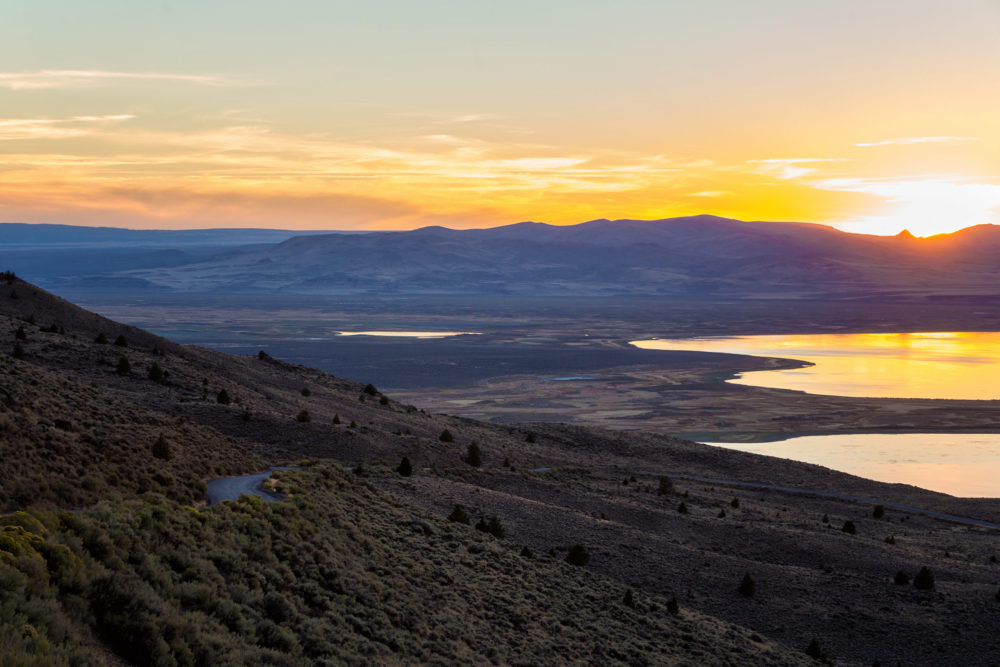
Flook Lake in the Hart Mountain National Wildlife Refuge is actually an ancient dry seabed and you won't find any water here. Instead, sagebrush and wildflowers make up this alien-looking place. Nearby, dig Oregon's State Gem, the Sunstone at the BLM Public collection area. Other popular rockhounding sites in Lake County include DeGarmo Canyon, the Warner Mountains, and (the very hospitable-sounding) Arsenic Canyon.
- Rocks to Find in the Lakeview Area: Oregon Sunstone, agate, fire opal, obsidian, jasper.
6. Opal Butte
County: Morrow
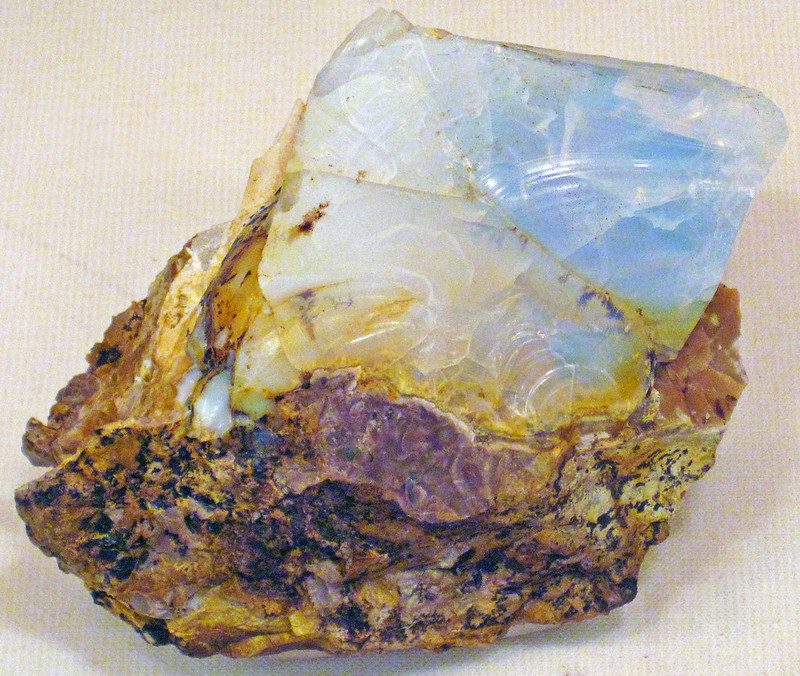
Making up part of the Blue Mountain Range in NE Oregon, Opal Butte has been known to geology enthusiasts since the late 19th century. From the information we've been able to gather, the area is primarily private timber property but the road up to the peak is public. Always obey "No Trespassing" signs.
- Rocks to Find at Opal Butte: Varying types of opal including fire, jelly, hyalite, rainbow, blue, and dendritic. Oregon jade, agatized petrified wood.
7. Mt. Pisgah
County: Lane
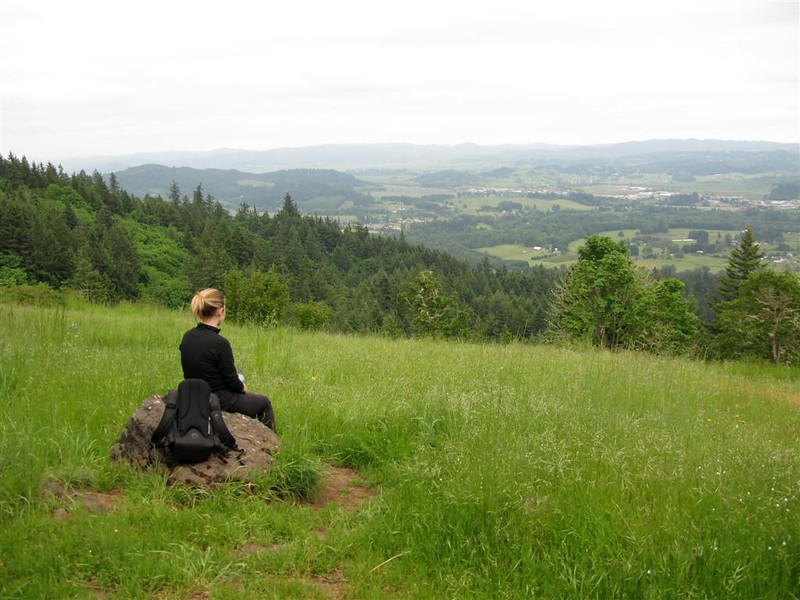
Mt. Pisgah is a popular Eugene hiking area with beautiful trails and an arboretum, but natural-resource removal rules apply within managed park lands. Treat this as a geology-observation stop unless park staff expressly confirms that collecting is allowed in a specific location. Photograph interesting specimens and leave them in place when permission is uncertain.
- Rocks to Find at Mt. Pisgah: Agate, calcite, heulandite, jasper, malachite, mesolite, quartz crystals.
8. Maury Mountains
County: Crook
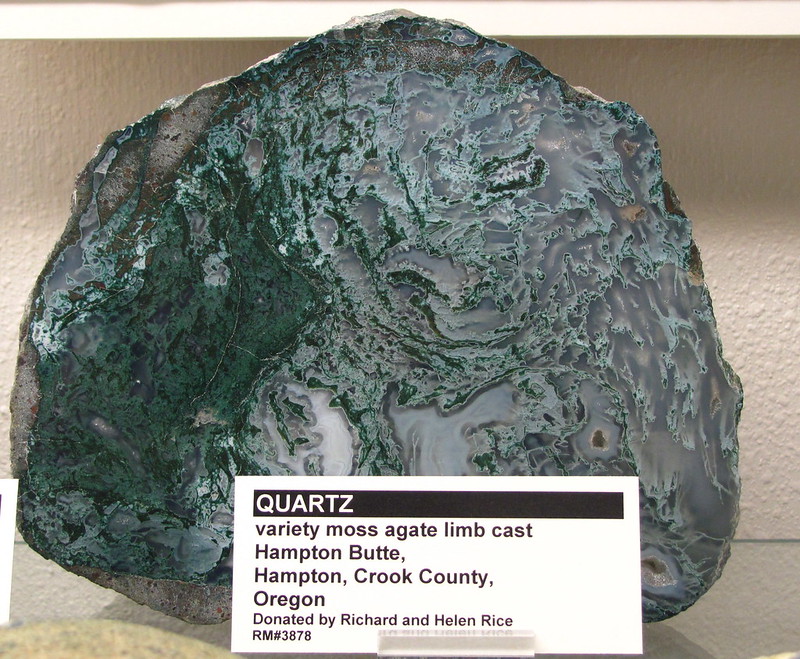
Located in the beautiful Ochoco Mountains of Central Oregon is the Maury Mountain Agate Bed. Although very little material is available for collection on the ground surface, nice pieces of moss agate can still be found by rockhounds willing to take the time and effort to dig.
Rocks to Find at Maury Mountain Agate Beds: Moss agate.
9. White Rock Springs and White Fir Springs
County: Crook
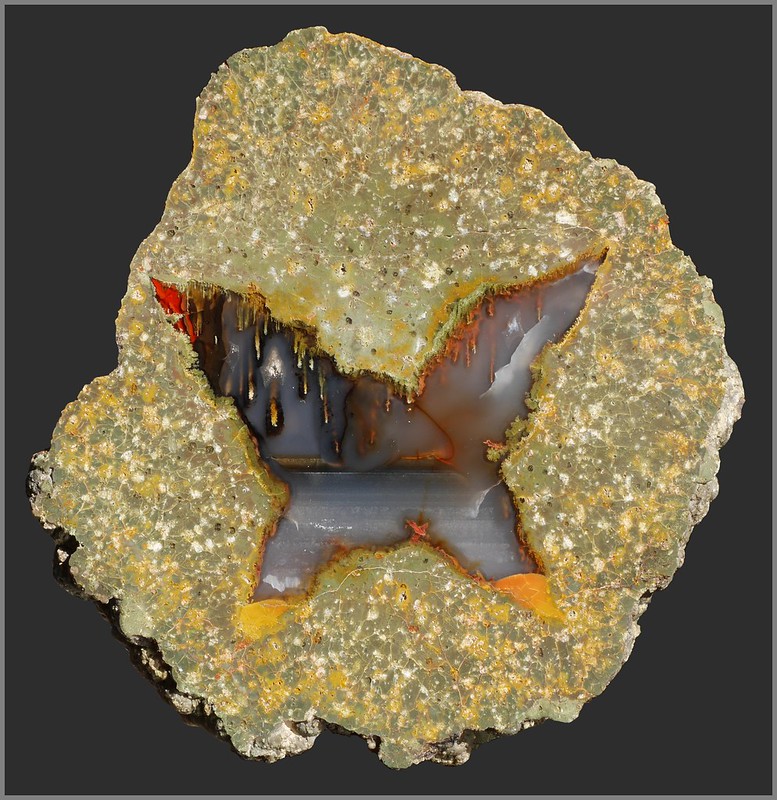
This is another area near the Ochocos well worth a mention for rockhounding (as is most of Crook County in general). Nearby is Mill Creek Wilderness where digging is prohibited, so be aware. Both sites are public for small thundereggs and nodules.
Rocks to Find at White Rock and White Fir Springs: Thundereggs, jasper-filled thundereggs, agate, chalcedony, opal.
10. The Oregon Coast
Counties: Clatsop, Tillamook, Lincoln, Coos
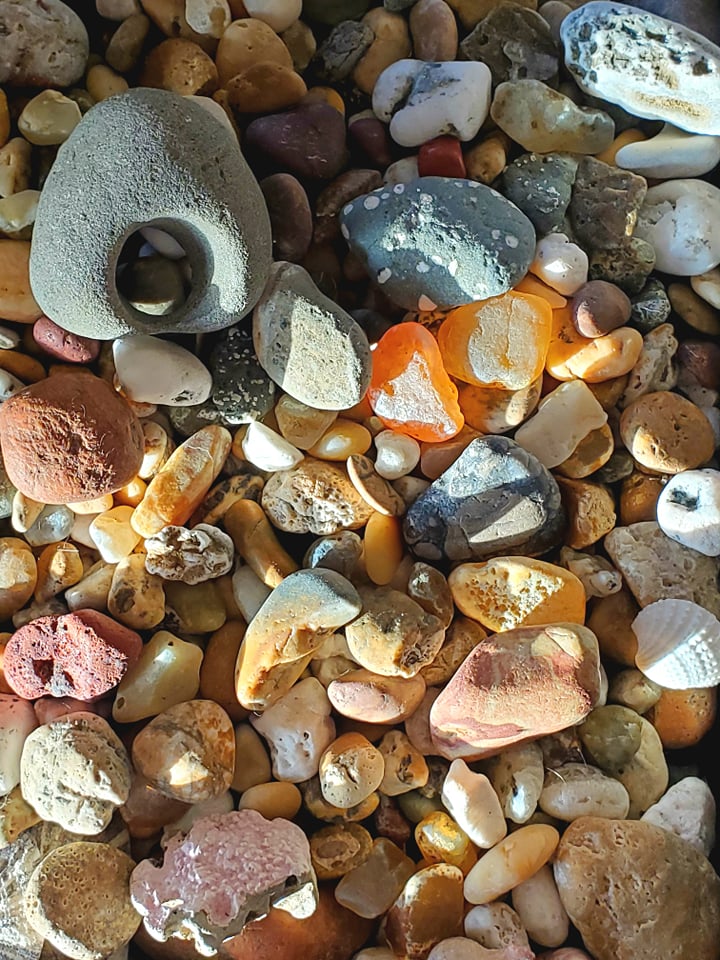
Many Oregon beaches expose gravel beds containing agate, jasper, chalcedony, and occasional loose fossils, especially after winter storms move sand offshore. Look around exposed gravel at low tide and stay well clear of sneaker waves, unstable cliffs, and incoming tides. Productive areas can include Moolack Beach, Oceanside, Nelscott Beach, Yachats, and Gold Beach. Follow current Ocean Shore limits, collect only loose material, and obey any site-specific restriction.
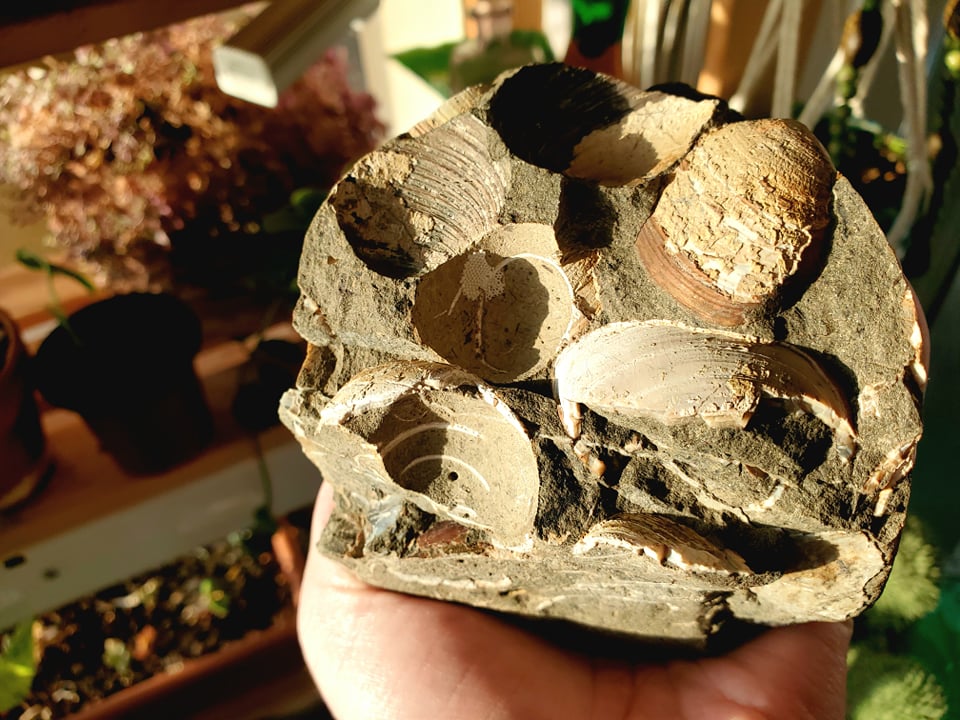
Rocks to Find on Oregon Beaches: Agate, chalcedony, jasper, fossilized seashells.
Oregon Rockhounding FAQ
Is rockhounding legal in Oregon?
Yes, in many places, but permission depends on the land manager and the specific parcel. BLM collecting rules differ from Oregon State Parks, national parks, wildlife refuges, private property, and active mining claims. Verify ownership and current rules before removing anything.
Where can beginners go rockhounding in Oregon?
Oregon's ocean beaches, the BLM public sunstone collection area near Lakeview, and the Glass Butte obsidian area are among the best-known options. Each has different safety, road, weather, and collection considerations, so check official information before leaving home.
Where can I find geodes and thundereggs in Oregon?
Central and southeast Oregon are famous for thundereggs, particularly parts of Crook, Jefferson, Malheur, Wasco, and Wheeler counties. Many people casually call thundereggs geodes, but they form differently. Access ranges from public land to private or fee-dig sites, so verify the exact parcel.
Can I collect agates on the Oregon Coast?
Small quantities of loose agates and similar non-living items may generally be collected for personal use under Oregon's Ocean Shore rules, subject to daily, annual, and site-specific limits. Never dig into cliffs, disturb archaeological material, or take items from a posted closed area.
What is the best time to look for Oregon Coast agates?
Winter and early spring often expose the best gravel after storms strip sand from beaches. Go near low tide, check the tide forecast, watch the ocean continuously, and never turn your back on the surf.
The sites mentioned above are just the tip of the iceberg for sites to rockhound in the State of Oregon. The map below shows many more popular locations: